
Why Embodied Carbon is the Top Environmental Issue for Our Sector – and How to Address It
Embodied carbon is a major and often overlooked contributor to construction-related emissions. Let’s examine why the industry is falling short and how better procurement decisions could help drive meaningful carbon reduction.

MARKET
Construction Sector
The Growing Challenge of Embodied Carbon
Embodied carbon is one of the most pressing environmental challenges facing the construction sector. MM Engineering director Chris McDermid explains why the industry is currently falling short and how stronger procurement strategies could help drive meaningful change.
Embodied carbon is a significant issue in engineering and construction. According to the UK Green Building Council (UKGBC), it accounts for 20% of the UK’s built environment emissions. The term refers to the greenhouse gas emissions associated with the entire lifecycle of building materials – from extraction and transportation to construction, demolition, and disposal.
As the effects of climate change accelerate, addressing embodied carbon has become increasingly urgent. Around the world, extreme weather events are causing catastrophic damage to homes, businesses, and infrastructure. These disasters result in huge financial losses and, tragically, many lives lost.
At MM Engineering, we take no comfort in the fact that rising flood risks have increased demand for our flood defence products. While we are proud to provide solutions that can help prevent or mitigate disasters, the reality is that addressing the root cause – the climate crisis – is far more important in the long run.
The Lack of Regulation on Embodied Carbon
Currently, embodied carbon emissions remain unregulated in the UK. This means that tackling the issue is left to individual companies, which is far from sufficient. The UKGBC’s Net Zero Whole Life Carbon Roadmap highlights that systematic measurement and reporting of embodied carbon are essential if we are to meet net-zero targets.
Looking more broadly at environmental responsibility within our sector, many companies pursue ISO 14001 Environmental Management System certification. While this is a step in the right direction, it allows businesses to set their own targets. As a result, many organisations simply meet the minimum requirements rather than striving for real, impactful improvements.
Procurement: The Missing Piece of the Puzzle
One of the most overlooked opportunities to reduce embodied carbon is within the procurement system. In construction, procurement processes are structured around clear scoring criteria. However, from my experience working with contractors, there is a fundamental issue: while environmental factors, including embodied carbon, may appear to have high weightings, purchasing decisions are still overwhelmingly driven by cost.
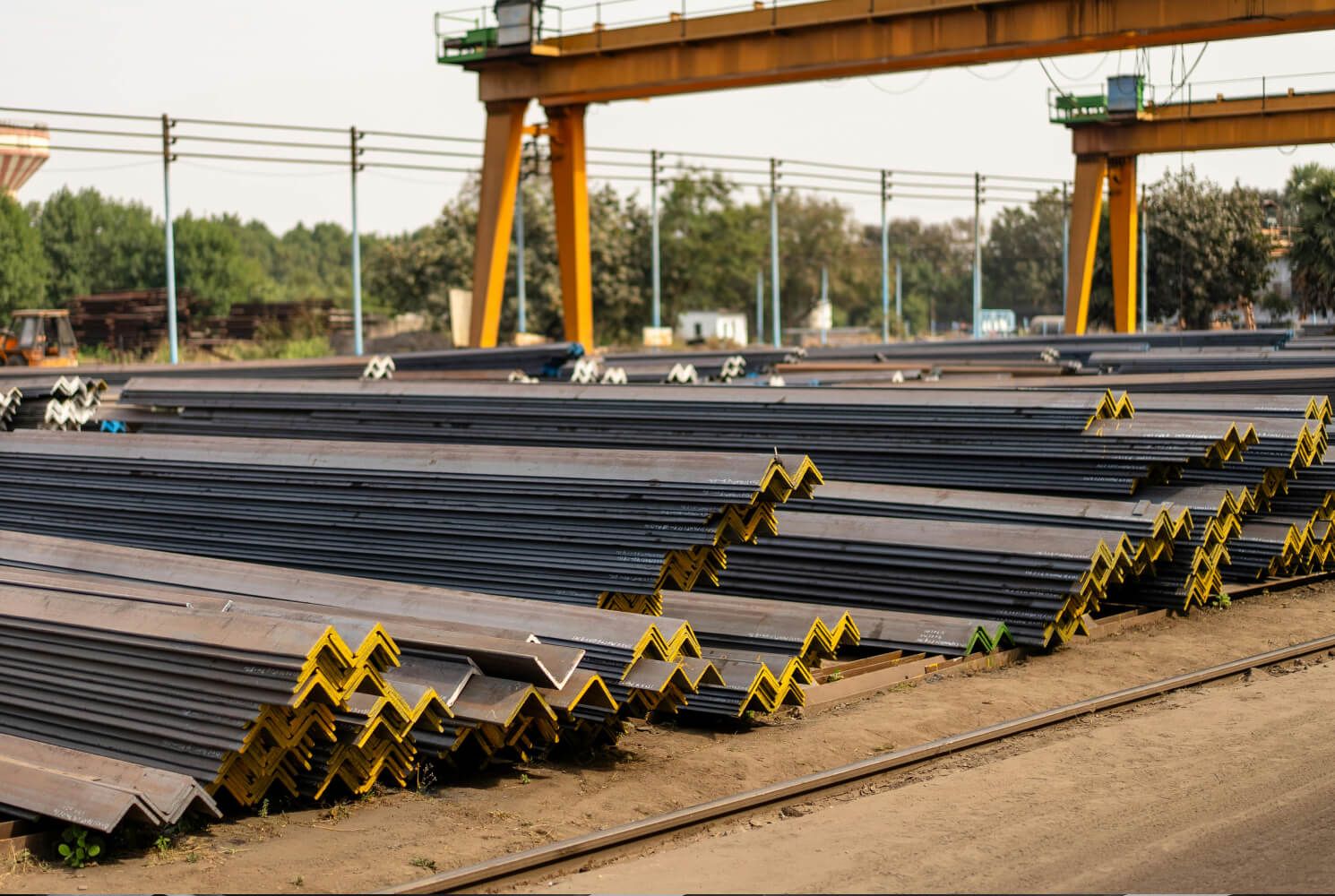
At MM Engineering, we have made strategic choices to lower our carbon footprint. We manufacture locally in South Wales, employ local workers, and use locally sourced steel. This approach contrasts with many competitors who import materials and products from overseas, increasing emissions through transportation.
These factors position us well to supply low-carbon products. However, until procurement processes genuinely prioritise carbon reduction, companies like ours that invest in sustainability will struggle to gain a competitive advantage. At present, governmental net-zero commitments are not translating into tangible changes at the ground level of purchasing decisions.

A Call for Change
Small businesses eager to assess and reduce their embodied carbon face significant barriers. Without stronger links between policy and procurement, there is little incentive for companies to invest in meaningful carbon reduction initiatives.
A game-changing solution would be to elevate embodied carbon to a top-tier priority within procurement scoring matrices. Making embodied carbon a key criterion for purchasing decisions—alongside certification and annual audits—would ensure transparency and build confidence in reported carbon figures.
This shift would encourage buyers to make choices aligned with net-zero ambitions, reducing reliance on cost-led decisions that overlook carbon minimisation.

Moving Forward
While our sector faces numerous climate-related challenges, embodied carbon is arguably one of the most significant. Addressing it requires a dual approach: a structured system for measuring and auditing carbon footprints, paired with procurement policies that actively reward low-carbon choices.
At MM Engineering, we remain committed to sourcing materials locally, maintaining stringent quality controls, and minimising environmental waste. These are positive steps, but a more coordinated, industry-wide approach is essential to drive real, long-term change.